Tag: wholistic health

  • Working with Trauma Through the Body: A Yoga Perspective

    Trauma is a vast and complex subject. Every person’s experience is unique; influenced by their life history, relationships, resilience, biology and environment. As a result, there is no single definition of trauma, and there is not one approach to healing that works for everyone.

    This is true for yoga-based interventions too – there is not one single approach that will be best for every person affected by trauma, even if that is the impression given on yoga for trauma training. It is a much more complex and nuanced situation.

    Effective trauma-informed care requires careful consideration of the individual, with interventions adapted to meet their specific needs, capacities and circumstances.

    In this article, we explore one area of trauma through the lens of yoga therapy. Rather than focusing on psychological processing or analysing past events, this approach recognises the profound relationship between the body, the nervous system and our capacity to heal. Yoga can offer practical tools for restoring safety, regulation and connection – creating conditions that support recovery alongside, or in collaboration with, other therapeutic approaches where these are appropriate.

    Different Experiences of Trauma

    Although trauma exists on a broad and wide spectrum, it can be helpful to distinguish between two common patterns of experience.

    Event trauma arises from a single overwhelming incident, such as an accident, assault or natural disaster. During these experiences, the nervous system may become flooded with fear and entering a state of freeze following episodes of recurring memories. This can leave the person feeling trapped and powerless.

    Developmental trauma, on the other hand, develops over time. It is often rooted in childhood experiences where emotional needs for safety, attunement, nurturing and connection were not consistently met. Rather than one defining event, it reflects the cumulative impact of living without enough emotional security.

    While both forms of trauma can produce similar symptoms—including anxiety, hypervigilance, emotional overwhelm or dissociation—the underlying needs in healing are often different.

    Understanding What Is Missing

    For someone recovering from a single traumatic event but with a secure childhood experience, there is often an existing internal sense of safety that has been disrupted. Healing involves helping the nervous system complete the protective responses that became interrupted during the traumatic experience, restoring agency and rebuilding confidence in re-establishing the body and mind’s ability to respond effectively to return to safety.

    In other words, working back from a ‘freeze’ response to a mobilisation response and working on establishing a sense of safety.

    Developmental trauma presents a different challenge. Here, the internal experience of safety may never have fully developed.

    As children, we rely on caring adults to notice our distress, soothe us, comfort us and help us make sense of difficult experiences. Through thousands of these moments of co-regulation, we gradually learn self-regulation – the ability to calm ourselves when life becomes challenging.

    When those experiences are absent or inconsistent, the nervous system continues searching for safety throughout adulthood. Healing therefore becomes a process of building an internal sense of security that may not have been established in early life.

    The approach needs to focus on building a sense of safety and connection; both 

    • a sense of safety and connection to the self (authenticity) 
    • a sense of safety and connection to others (attachment). 

    If this has not been present in childhood, it is still possible to develop this when we are older.   The aim is towards wholeness – feeling safe within oneself and in the presence of others. A state of authenticity and connection at the same time. 

    The Body Memory

    Trauma is not only remembered by the mind—it is also held within the body.

    Protective responses that were once necessary can become long-standing patterns of muscular tension, restricted breathing, emotional numbness/reactivity or disconnection from parts of ourselves. The diaphragm may remain tight, breathing becoming shallow and the body continuing to behave as though danger is still present.

    From a yoga perspective, healing begins by gently helping the body rediscover ease.

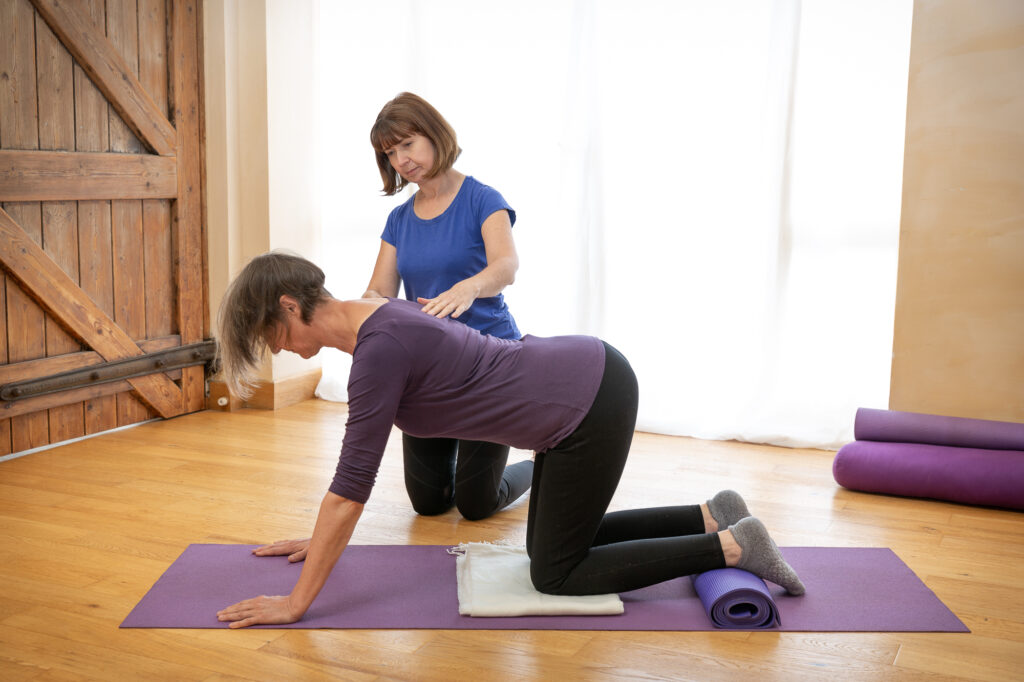
    Simple movement, mindful breathing and body awareness, with repetition over time, create opportunities for the nervous system to recognise that it is safe enough to soften. As tension gradually releases, the body’s natural capacity for re-integration begins to emerge.

    Perhaps the most important principle of trauma-informed yoga is that healing cannot be forced.

    Rather than challenging the body, the emphasis is on creating experiences that feel predictable, manageable and safe. Practices are typically slow, repetitive and grounding, allowing the nervous system to settle and restore safety, rather than challenging and becoming overwhelmed.

    This may include:

    • gentle, rhythmic movement
    • breath and movement coordinated together
    • grounding through the senses
    • simple body awareness practices
    • offering choices throughout the practice

    Choice is particularly important. Trauma often involves a loss of control, so inviting a sense of agency—even in small ways—supports recovery.

    The aim is not to relive traumatic experiences but to create enough internal safety that difficult memories or sensations can be processed gradually, without overwhelming the nervous system.

    Working With the Nervous System

    Yoga also offers unique ways of supporting the body’s natural mechanisms for finding calm.

    The eyes, ears, face, jaw, throat and voice are all connected with the social engagement system, an important part of our nervous system that helps us feel safe through connection with others.

    Gentle practices such as relaxing the eyes, releasing tension in the jaw, softening the tongue, humming or chanting can stimulate the vagus nerve, encouraging the parasympathetic nervous system to become more active. As the body settles, breathing becomes easier, muscles soften and a greater sense of calm can emerge.

    These practices may appear simple, yet they can have a profound influence on how safe the body feels.

    Rebuilding Connection

    Trauma often leaves people disconnected—not only from others, but from themselves.

    Part of healing may involve learning to inhabit and trust the body again. Responses such as dissociation, numbness or emotional withdrawal can be understood, not as failures but as intelligent survival strategies that once helped with protection.

    With compassionate practice, individuals can begin to reconnect with their bodies, their breath and their inner experience. Learning that emotions shift repeatedly, they come and go, thoughts are not always facts, and beneath the protective patterns there remains an inherent capacity for balance, resilience and wellbeing is important in the recovery process. Restoring the authentic and compassionate connection to oneself can bring more steadiness and discernment in connection with others. A state of more joy in connection with others rather than fear or pain.

    Yoga supports this journey not by changing who we are, but by helping us reconnect with what has always been present beneath the layers of protection.

    A Compassionate Path Towards Healing and Wholeness

    Working with trauma is both courageous and deeply individual. Yoga can play a valuable role in supporting recovery and it is also one part of a much broader picture. People may benefit from psychotherapy, counselling or medical support alongside body-based practices, and recognising when to refer on is an essential aspect of trauma-related care.

    Ultimately, yoga offers something profoundly simple: a way of helping people feel safe enough in their own bodies to begin healing. By cultivating ease, safety and connection, we create the conditions in which the nervous system can reorganise, resilience can grow and a renewed sense of wholeness can gradually emerge.

    Don’t miss our workshop:

    From Trauma to Gentle Reintegration

    On 26 Sept 2026, 9.30am-1pm

    It’s Online and costs £45

    You’ll receive a recording to review after the training

    To book, see https://yogatherapywholepersonhealing.com/short-courses/
  • Ayurveda: Imbalance as the Root of Illness

    Maintaining a balanced lifestyle is an ongoing adventure — or perhaps more honestly, a challenge. You may remember the old Mars bar slogan: “A Mars a day helps you Work, Rest, and Play.” We know a daily chocolate bar isn’t actually the path to well-being, but the idea behind the slogan does reflect a deeper truth: when the essential rhythms of life — work, rest, and play — are nourished equally, we thrive.

    From an Ayurvedic lens, this balance is essential. Ayurveda teaches that health exists when we find balance in our constitutional type (the combination of the doshas Vata, Pitta and Kapha that is our own), in good digestion and removal of waste products from the body-mind. When these are functioning harmoniously, sustained by a steady mind and joyful spirit then we feel and act in line with our highest purpose. When lifestyle factors cause us to drift out of balance over time, we experience depletion, stagnation, irritability, anxiety or any kind of illness. Restoring balance is the foundation of healing.

    Yoga therapy shares this view beautifully with this Ayurvedic: it recognises that health is dynamic, personal, and deeply influenced by how we live each day.

    Ayurveda: Imbalance as the Root of Illness

    According to Ayurveda, imbalance begins long before diagnosable symptoms appear. It starts subtly — in the food we eat, in digestion, sleep, energy, or mood — and only later moves into more tangible issues. Understanding imbalances requires awareness, at least from time to time, not occasional crisis management.

    This is why individual assessment is essential. Ayurveda encourages multiple forms of daily self-observation, such as:

    • Tracking sleep quality and dreaming
    • Observing digestion, appetite, and elimination
    • Noticing energy peaks and dips
    • Monitoring emotional tone or irritability
    • Reflecting on mental clarity, agitation or stagnation
    • Checking for physical signs like dryness, heaviness, heat, stiffness, or restlessness
    • Observing responses to food, movement, and environment

    These simple check-ins help identify imbalance early — when it’s most easily corrected — and guide personalised choices for restoring harmony.

    Food as Medicine

    In Ayurveda, food is not only fuel but a primary tool for re-balancing the body-mind.  Rather than one universal diet, Ayurveda encourages eating based on one’s individual constitution and to support the digestive processes allowing for optimum nourishment. Where there are any current imbalances, choosing foods carefully can restore health balance.

    Sleep: The Ultimate Restorative

    Ayurveda calls sleep “one of the three pillars of life”. The three pillars (traya upastambha) are sleep, diet and balanced lifestyle. Quality sleep rests the body, rebuilds tissues, clears the mind, and stabilises emotions. The aim is for consistent sleep routines, that support all aspects of health and wellbeing.

    Cultivating Clarity and Calm

    Ayurveda and yoga agree on the importance of the mind – steadying the mind when there is unsteadiness, reducing stress and promoting emotional stability. Honouring emotional well-being requires awareness, acknowledgement, and skilled responses. When the mind is calm and there is clarity, we can better integrate all levels of being;  feeling open and connected — to nature, to others, to our authentic self.

    Physical Health: The Foundation of Balance

    Physical health supports all other layers of well-being and persona and spiritual development. The body is often the first place where an individual will notice imbalance. It is also the most accessible place to initiate healing through a suitably designed yoga practice.

    Ayurveda recognises the fundamental principle that health is not a fixed state — it is in a state of dynamic balance and when imbalance arises, we can restore our own rhythm and rest through awareness and adjustment.
    Ayurveda reminds us that illness is a message: something has drifted out of harmony. With mindful living, assessment and personalised choices, especially in the early stages of imbalance, we can choose adjustments to gently guide ourselves back into balance.

  • Rethinking Health: From Illness to Wholeness

    Exploring Approaches to Understanding and Maintaining Health

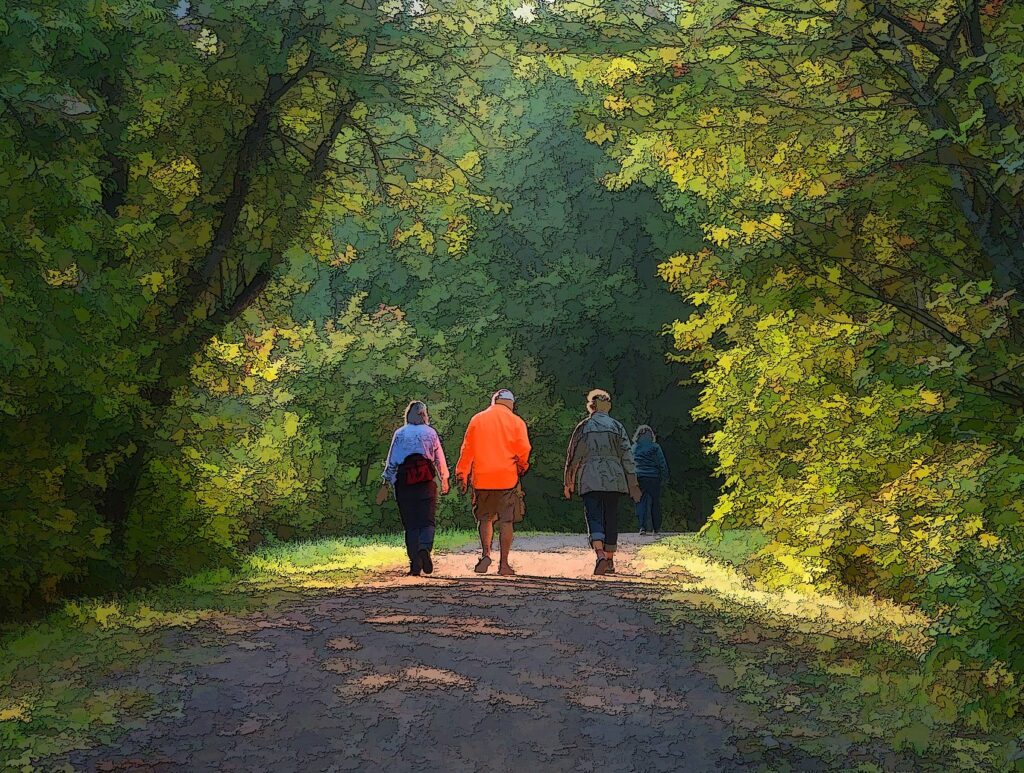
    Walk in nature with friends

    Health is often viewed in a linear way  – something we possess until it falters, prompting us to seek a remedy for our ailment. However, our understanding of health can be, and arguably should be, far more nuanced.

    Is health simply the absence of illness, or should it be seen as a dynamic, wholistic state of well-being? How do these differing perspectives on health shape our health? The traditional approach centred on illness and treatment, and a broader, wholistic view that emphasises prevention, balance, and the optimisation of health for a healthy life.

    Health as the Absence of Disease

    For many, health becomes a concern only when something goes wrong. This reactive perspective dominates clinical medicine and much of Western healthcare, where the focus is on diagnosing, treating, and managing specific ailments. When we experience symptoms, we seek professional help, undergo tests, and often receive medication or perhaps another intervention, such as physiotherapy. Here, health is defined in negative terms – as the absence of pain, dysfunction, or disease.

    This approach is primarily our current model for managing our health. Modern medicine has an impressive ability to identify and treat acute illnesses, offer a level of control over some chronic conditions, and address emergencies, which has dramatically increased life expectancy and reduced suffering. However, it can also lead to a narrow view, where individuals neglect their health until a problem arises. By seeing health primarily in the context of illness, there’s a risk of overlooking the many factors that contribute to ongoing well-being.

    Wholistic Approaches to Health

    An alternative perspective views health as a positive, dynamic state that encompasses physical, mental, and social well-being. Influenced by traditions such as Ayurveda, Traditional Chinese Medicine, and more modern wellness thought, this wholistic approach recognises the interconnectedness of mind, body, and environment. Instead of waiting for problems to emerge, the emphasis is on maintaining balance and preventing illness through lifestyle choices, self-awareness, and fostering supportive relationships.

    Wholistic health involves a proactive stance: eating nutritious foods, staying physically active, managing stress, nurturing emotional health, and social engagement. Mental health, in particular, is given equal prominence, recognising that anxiety, depression, or chronic stress can impact physical health just as much as a virus or injury. In this sense, health is not a static state but a continual process of adaptation and adjustments in self-care.

    Prevention and Personal Responsibility

    The holistic approach encourages individuals to feel more empowered in their own health, making informed choices about diet, exercise, sleep, and social connections. Public health campaigns and workplace wellness programmes increasingly reflect this shift, aiming to empower people to adopt healthier habits and reduce risk factors for chronic disease.

    However, it’s important to acknowledge that personal responsibility is only part of the equation. Social factors such as income, cost of healthy food, education, housing, and access to healthcare play a significant role in an individual’s ability to maintain good health. A truly wholistic perspective considers not only the individual’s choices but also the broader social and environmental contexts that shape those choices.

    Bridging the Divide: Integrative Health

    Recently, there has been a growing movement towards integrative health, which seeks to blend the strengths of conventional medicine with wholistic practices. Integrative health professionals might use medical treatments for acute illnesses while also recommending lifestyle changes, mindfulness practices, and complementary therapies to support long-term well-being.

    This approach recognises the value of medical interventions but also recognises that health is complex and multifaceted. It acknowledges that well-being extends beyond the doctor’s surgery, encompassing daily habits, psychological resilience, social connection, and the environments in which we live.

    Influencing our Health

    How we think about health profoundly influences our actions, priorities, and quality of life. While it is essential to address illness when it arises, adopting a wholistic approach encourages us to cultivate well-being in a proactive and sustainable way. By embracing both approaches – treating illness when necessary and nurturing overall health every day – we can move towards a more balanced and fulfilling understanding of what it means to be truly healthy in our life.

    Reflections

    • Consider how your daily routines—diet, sleep, movement, and social interactions—support your physical and mental health. Are there small changes you could make to offer greater balance?
    • Reflect on your coping strategies for stress and emotional challenges. Do you feel equipped to manage life’s ups and downs, or might you benefit from new approaches such as mindfulness or talking therapies?
    • Think about the role of your environment, including your relationships, workplace, and community. How do these factors affect your overall well-being, and what can you do to strengthen your support networks?
    • Assess the influence of societal factors, such as access to healthy food and healthcare, on your health choices. Are there barriers you face, and how might you seek support to overcome them?
    • Finally, ask yourself what health means to you personally, beyond the absence of illness. What steps can you take to nurture a sense of fulfilment and resilience in your everyday life?