
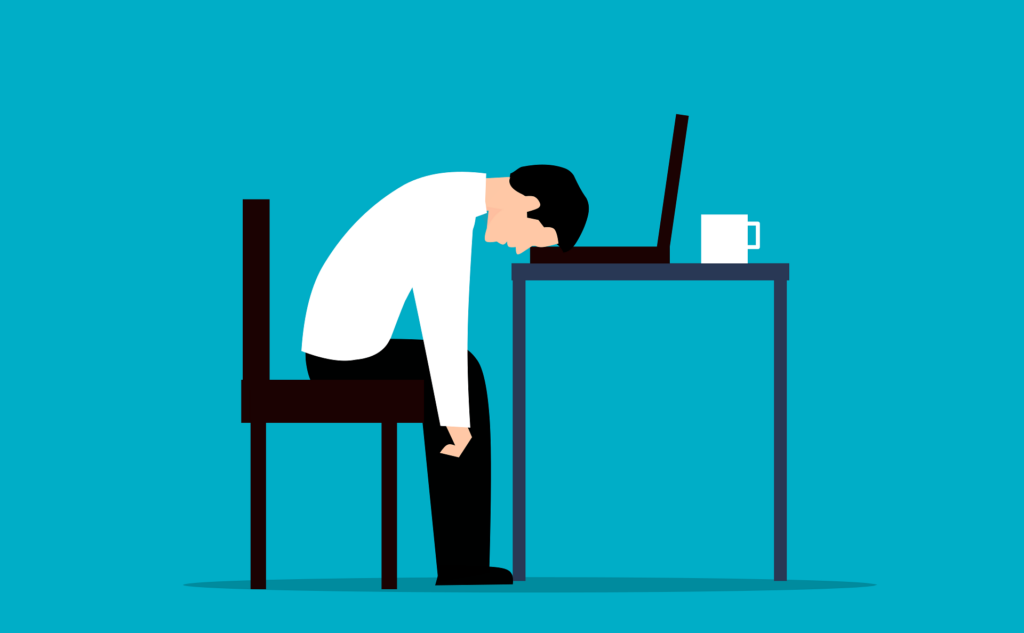
“Just stop worrying.” “Think positively.” “Calm down.”
If you’ve ever experienced anxiety, you’ll know just how unhelpful those words can be.
When anxiety takes hold, it doesn’t simply exist as a thought inside your mind. It is a whole-body experience. Your heart races, your breathing changes, your muscles tighten, your stomach churns and your thoughts spiral. Even when you know there’s no real danger, your body behaves as though there is.
That’s because anxiety isn’t simply a problem of thinking—it’s a response of the entire nervous system which is part of the whole body.
The human brain is the most complex structure known in the universe, containing around 86 billion neurons, each communicating through intricate networks that constantly scan our environment for signs of safety or threat. Working alongside the brain is the autonomic nervous system, which regulates everything from heart rate and breathing to digestion, sleep and immune function.
When these systems are working well, they keep us alert, adaptable and resilient. But prolonged stress, illness, trauma or even the pressures of modern life can leave the nervous system in a heightened state of vigilance. It begins to interpret what is normally ordinary situations as potential threats, and anxiety can then become a constant companion.
The encouraging news is that modern neuroscience, psychology and yoga therapy all point to the same conclusion: we can train our nervous system to become more resilient.
Two Routes to the Same Destination
Researchers often describe two pathways for regulating the nervous system: top-down and bottom-up regulation. Think of them as two highways of communication between the brain and the body, with traffic moving in different directions.
Top-down regulation starts in the cerebral cortex, particularly the prefrontal cortex—the area responsible for reasoning, planning and emotional regulation. It uses conscious awareness to influence how the body responds.
Bottom-up regulation begins in the body itself. It works through physiological processes such as breathing, movement, posture and sensory input to influence the brain and reduce activation within the nervous system.
Rather than judging which approach is better, research increasingly suggests that the greatest benefits come when both work together.
Why Anxiety Feels So Physical
Imagine you’re walking through the woods and see what looks like a snake.
Before you’ve consciously processed what you’re seeing, your amygdala—one of the brain’s key threat detection centres—has already activated your sympathetic nervous system. Adrenaline is released. Your heart rate increases. Your breathing becomes rapid. Muscles prepare for action. A split second later, your thinking brain realises it’s only a stick. Your body settles and you breathe again.
This rapid response is an extraordinary survival mechanism.
The problem with anxiety is that this same protective system can become over-sensitive. Emails, social situations, financial worries or health concerns may trigger the very same physiological response, even though they don’t require us to fight or run away. The body becomes caught in a loop of perceived danger. That’s why anxiety often feels impossible to simply “think away.”
Top-Down Therapy: Changing the Conversation in the Brain
Many forms of counselling work primarily through top-down regulation. Perhaps the best-known is Cognitive Behavioural Therapy (CBT), which helps people identify patterns of thinking that contribute to anxiety and replace them with more balanced interpretations.
A landmark review by Hofmann and colleagues (2012) concluded that CBT remains one of the most effective psychological treatments for anxiety disorders, with strong evidence supporting its ability to reduce symptoms across a wide range of conditions.
Other therapeutic approaches—including person-centred counselling, compassion-focused therapy and Acceptance and Commitment Therapy (ACT)—work slightly differently, but all encourage greater emotional awareness, psychological flexibility and self-understanding.
Interestingly, research consistently shows that one of the strongest predictors of successful counselling isn’t the specific technique used at all—it’s the quality of the therapeutic relationship. Psychotherapy researchers John Norcross and Michael Lambert have repeatedly demonstrated that feeling genuinely heard, understood and emotionally safe plays a significant role in recovery.
Talking really can change the brain. But not always immediately. When the nervous system is highly activated, the thinking brain has less influence because survival responses are taking priority. This is where the body becomes an essential part of therapy.
Bottom-Up Therapy: Helping the Body Feel Safe Again
Have you ever noticed that after a long walk, a yoga class or simply taking a few slow breaths, your worries seem easier to manage? That’s not your imagination, it’s physiological changes affecting the nervous system.
Slow diaphragmatic breathing stimulates the vagus nerve, the longest cranial nerve in the body and one of the major regulators of the parasympathetic nervous system—our natural “rest and digest” response. As parasympathetic activity increases, heart rate slows, muscle tension reduces and stress hormones begin to settle. The brain receives continuous feedback from the body that it is no longer in danger.
Rather than the mind calming the body, the body calms the mind.
Yoga is a particularly fascinating example because it combines movement, breathing, attention and relaxation into a single intervention. A large systematic review by Cramer and colleagues (2018) found that yoga significantly reduced symptoms of anxiety compared with inactive control groups. Another meta-analysis by Pascoe, Thompson and Ski (2017) demonstrated measurable improvements in physiological markers associated with stress regulation, including reductions in cortisol and improvements in autonomic nervous system balance. This growing body of evidence helps explain why yoga therapy is becoming increasingly recognised as a valuable complementary approach within healthcare.
The Science of Safety
One of the most influential developments in recent years has been Dr Stephen Porges’ Polyvagal Theory.
The theory suggests that before we can think clearly, connect with others or solve problems, our nervous system first needs to perceive safety. When we feel safe, our social engagement system comes online. We become curious, compassionate, creative and flexible. When we feel threatened, survival takes over.
Whether or not every aspect of Polyvagal Theory is ultimately supported by future research, one central message is aligned with decades of neuroscience: regulation of the autonomic nervous system profoundly influences emotional wellbeing.
Similarly, psychiatrist Dr Bessel van der Kolk’s work reminds us that stress is not stored only as memories but is also reflected in patterns of breathing, muscle tension, posture and physiology. His work has helped shift healthcare towards recognising that recovery often involves working with the body as well as the mind.
Bringing Both Together
Imagine someone living with persistent anxiety. Counselling may help them understand where their fears originated, identify unhelpful thinking patterns and develop healthier ways of responding. Meditation is a powerful way to restructure the patterns of the mind and responses.
Yoga therapy may help reduce muscle tension, improve breathing patterns, regulate the autonomic nervous system and restore a sense of physical safety.
Neither approach replaces the other. Instead, each strengthens the effectiveness of the other. One helps us understand our experience. The other helps us embody change.
Supporting Your Own Nervous System
Looking after your nervous system doesn’t require dramatic lifestyle changes. Small, regular practices create lasting adaptations—a process neuroscientists call neuroplasticity, the brain’s remarkable ability to reorganise itself throughout life. In yoga therapy, this process is called krama (a step) and kṣema (consolidation).
You might begin with ten minutes of gentle yoga, a simple breathing practice, a mindful walk outdoors, better sleep habits or speaking with a trusted friend or qualified counsellor. These seemingly simple actions send repeated signals of safety through the nervous system, gradually increasing resilience over time.
Anxiety isn’t a sign of weakness or failure. Often, it’s evidence of a nervous system that has become exceptionally good at protecting you. The wonderful thing is that the nervous system is adaptable. With the right support—through both mind and body—it can learn to feel safe again.
References
Cramer H, Lauche R, Langhorst J, Dobos G. (2018). Yoga for anxiety: A systematic review and meta-analysis of randomised controlled trials. Depression and Anxiety, 35(9), 830–843.
Hofmann SG, Asnaani A, Vonk IJJ, Sawyer AT, Fang A. The efficacy of cognitive behavioural therapy: A review of meta-analyses. Cognitive Therapy and Research, 36, 427–440.
Norcross JC, Lambert MJ. (Psychotherapy Relationships That Work
Pascoe MC, Thompson DR, Ski CF. (2017). Yoga, mindfulness-based stress reduction and stress-related physiological measures: A meta-analysis. Psychoneuroendocrinology, 86, 152–168.
Porges SW. (2011). The Polyvagal Theory. W.W. Norton.
van der Kolk B. (2014). The Body Keeps the Score.
Image credit: Pixabay: mohamed_hassan